

The Evolution of T20 Cricket: How the Shortest Format Changed the Game
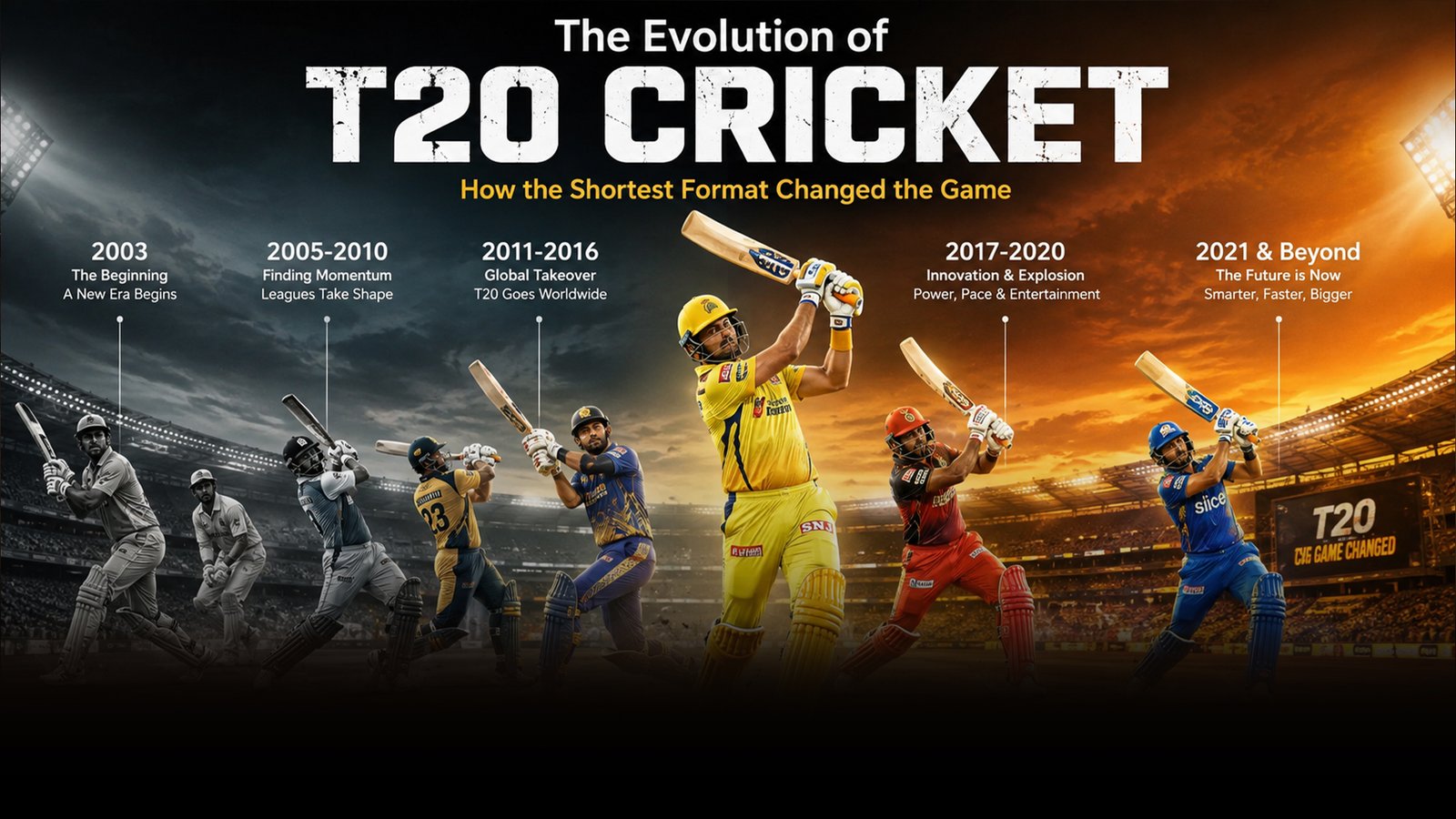
In 2003, a group of English counties tried a slightly desperate experiment. County cricket was struggling to draw crowds, so administrators cooked up a shorter, louder version of the game with a cheeky slogan aimed at people who thought cricket was boring. Barely two decades later, that experiment has become the most powerful force in world cricket, worth billions and watched by hundreds of millions.
The story of the evolution of T20 cricket is one of the most remarkable transformations in sporting history. This is how a three-hour gamble reshaped batting, bowling, careers and the entire economics of a centuries-old sport.
The Humble Beginnings: A Format Born from Necessity
T20 did not arrive with grand ambitions. It arrived as a survival tactic.
The England and Wales Cricket Board formally launched the Twenty20 Cup in June 2003, limiting each side to 20 overs to create a fast, family-friendly evening out. The idea was simple: get the game finished in about three hours, fill the stands, and win back a public drifting away from the longer formats.
It worked immediately. Matches drew crowds county grounds had not seen in decades, and the buzz was undeniable. Other nations quickly took notice, with Pakistan, Australia and South Africa all launching their own competitions within a couple of years. Even the first men’s Twenty20 International in 2005, between Australia and New Zealand, was played half in jest, with retro kits and a relaxed mood. Nobody quite realised they were witnessing the birth of a revolution.
2007 and 2008: The Two Years That Changed Everything
If T20 was the spark, two events lit the fire that engulfed world cricket—fundamentally altering how fans watch the sport and how liquidity and trading operate on any modern sport betting exchange, where live,
India’s 2007 World Cup Triumph
The inaugural ICC World T20 in 2007, held in South Africa, was the tipping point. A young, inexperienced Indian side led by MS Dhoni won a dramatic final against Pakistan, decided by the last over. In a cricket-mad nation of over a billion people, that victory transformed T20 from a curiosity into a national passion overnight, and the commercial floodgates opened.
The Birth of the IPL
Sensing the moment, India launched the Indian Premier League in 2008. It fused cricket with Bollywood glamour, city-based franchises and eye-watering sums of money, creating an entirely new sporting product. The IPL became the richest and most-watched cricket league on earth, a template that spawned copycat leagues across the globe and rewired the career path of every professional cricketer.
How T20 Rewrote the Rules of Batting and Bowling
Beyond the money and the crowds, T20 fundamentally changed the skills of the game itself.
The Power-Hitting Revolution
With only 120 balls per innings, survival was no longer the priority; scoring was. Batters abandoned caution and invented an entirely new vocabulary of strokes. Shots once dismissed as reckless or impossible, such as the switch hit, the ramp and the scoop, became specialist weapons. Players like Chris Gayle, AB de Villiers and Jos Buttler redefined what a batting average and strike rate could look like, and 200-plus totals went from freakish to routine.
Bowlers Fight Back with Innovation
Far from making bowlers obsolete, T20 forced them to evolve or perish. Denied the luxury of building pressure over long spells, bowlers developed a toolkit of variations: slower balls, the knuckleball, wide yorkers and clever changes of pace. The best T20 bowlers became masters of disguise, proving that skill and intelligence could still triumph in a format built for batters.
Because every player must now contribute in multiple disciplines, the format has placed an enormous premium on versatility. The game’s most valuable cricketers are those who can bat, bowl and field at the highest level, and franchises pay fortunes for players who can single-handedly change a match in either innings.
T20 Today: A Global Juggernaut
Two decades on, T20 sits firmly at the centre of the cricketing universe.
The format now boasts a thriving biennial World Cup, with the 2024 edition won by India and further expansion into new markets, including the United States, which co-hosted that tournament. Domestic leagues run almost year-round across India, Australia, England, the Caribbean and beyond, offering players lucrative freelance careers that were unimaginable a generation ago. A talented cricketer can now travel the world as a T20 specialist, moving from the IPL to the Big Bash to the Caribbean Premier League, earning more in a few weeks than previous generations made in years.
T20 has also driven cricket’s push for wider global relevance, including its return to the Olympic programme at Los Angeles 2028, carrying the sport to audiences it could never previously reach. The tactical sophistication has soared too, with data analytics, matchup-based selections and specialist roles now standard. Above all, the format has crowned the versatile cricketer as its ultimate prize asset, and the qualities prized in today’s match-winners echo the legendary all-rounders in cricket history, whose blend of batting, bowling and fielding has become the blueprint every franchise now chases. What began as a bit of fun has matured into a deeply strategic contest.
Conclusion
The evolution of T20 cricket is a story of an underdog format that conquered the world. What began in 2003 as a modest attempt to fill empty English grounds has become a global powerhouse that dictates the direction of the entire sport. It revolutionised batting, reinvented bowling, minted millionaires and built a commercial empire, all while pulling millions of new fans into the game. Traditionalists may debate its impact on Test cricket, but its influence is undeniable and irreversible. The shortest format did not just change the game; it redefined what cricket could be, and its explosive story is still being written with every audacious six.
Frequently Asked Questions (FAQs)
i) When did T20 cricket officially begin? T20 cricket was formally launched in June 2003, when the England and Wales Cricket Board introduced the Twenty20 Cup for county teams to attract larger, younger crowds.
ii) Which was the first T20 World Cup and who won it? The first ICC World T20 was held in South Africa in 2007. India, led by MS Dhoni, won it by beating Pakistan in a dramatic final, sparking a huge surge in the format’s popularity.
iii) How did the IPL change T20 cricket? Launched in 2008, the Indian Premier League combined city franchises, entertainment and major investment to become the richest cricket league in the world, transforming player careers and inspiring similar leagues globally.
iv) How did T20 change the way batters play? The short format prioritised fast scoring over survival, leading to power-hitting and innovative shots such as the switch hit, ramp and scoop, with high totals becoming increasingly common.
v) Did T20 make bowlers less important? No. T20 forced bowlers to innovate, developing variations like slower balls, knuckleballs and wide yorkers. Skilful, intelligent bowling remains crucial to success in the format.
vi) Why are all-rounders so valuable in T20 cricket? Because the format rewards players who can contribute with both bat and ball, all-rounders offer teams balance and flexibility, which is why franchises pay premium prices for genuine match-winners.
-
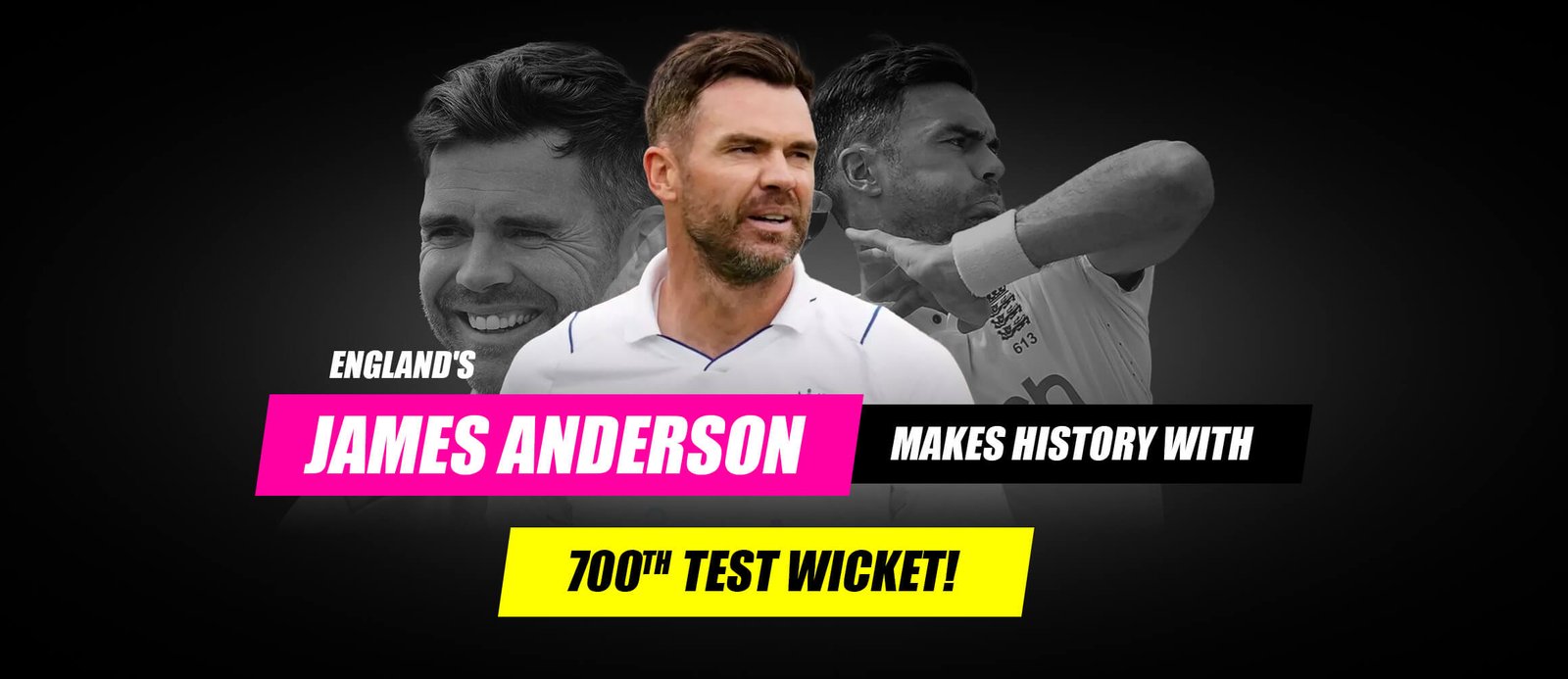
England’s James Anderson Makes History with 700th Test Wicket!
• 12 Mar, 24 • by Buddy ExchangeJames Anderson, the English bowling legend, just did something incredible! On Saturday, he grabbed himself a whopping 700 wickets! With that, he's only the 3rd bowler ever, and the first fast bowler ever, to take 700 wickets in Test matches. That's a fancy way of saying he's gotten rid of 700 batters in official Test matches, which are like the biggest cricket games.
-
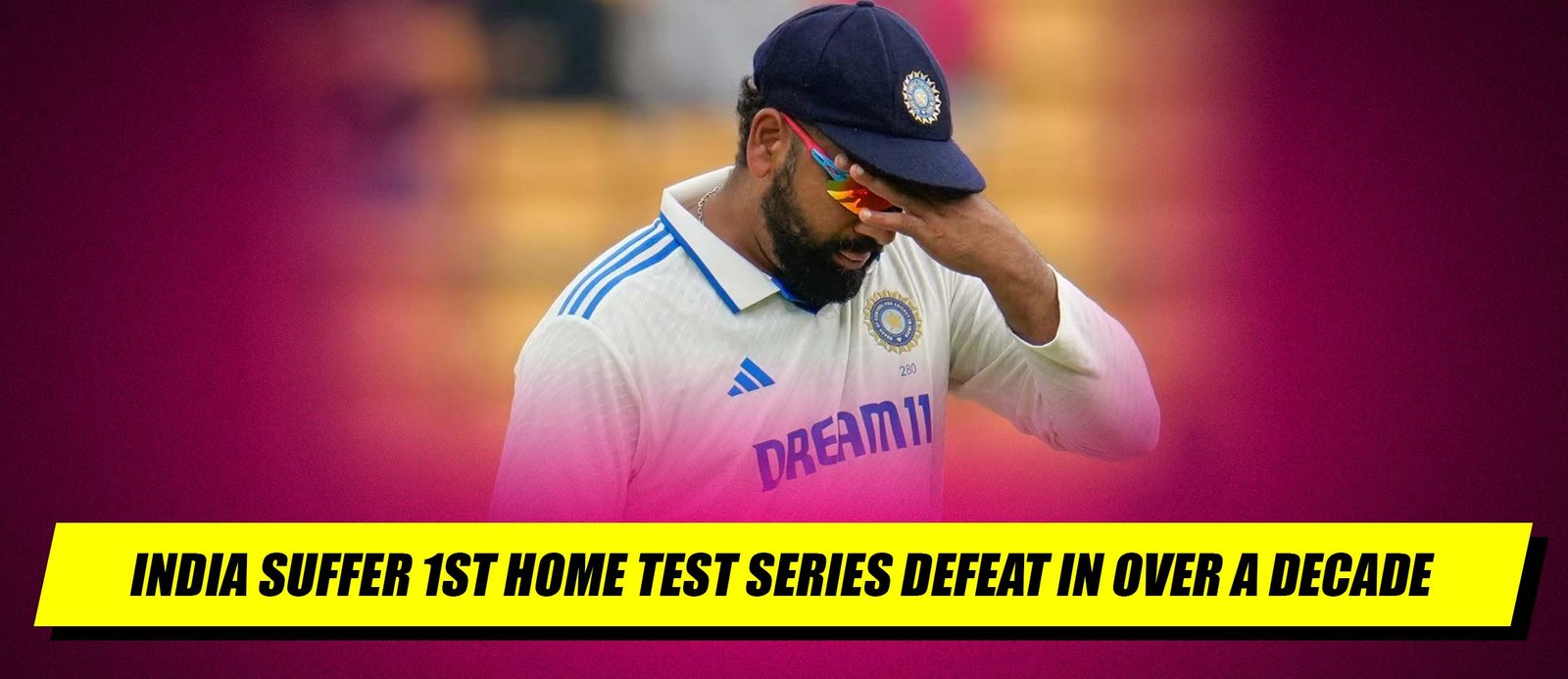
India Suffer 1st Home Test Series Defeat in Over a Decade
• 28 Oct, 24 • by Buddy ExchangeIn a shocking turn of events, India suffered a humiliating 2-0 series defeat at the hands of New Zealand, marking their first home Test series loss in over a decade.
-
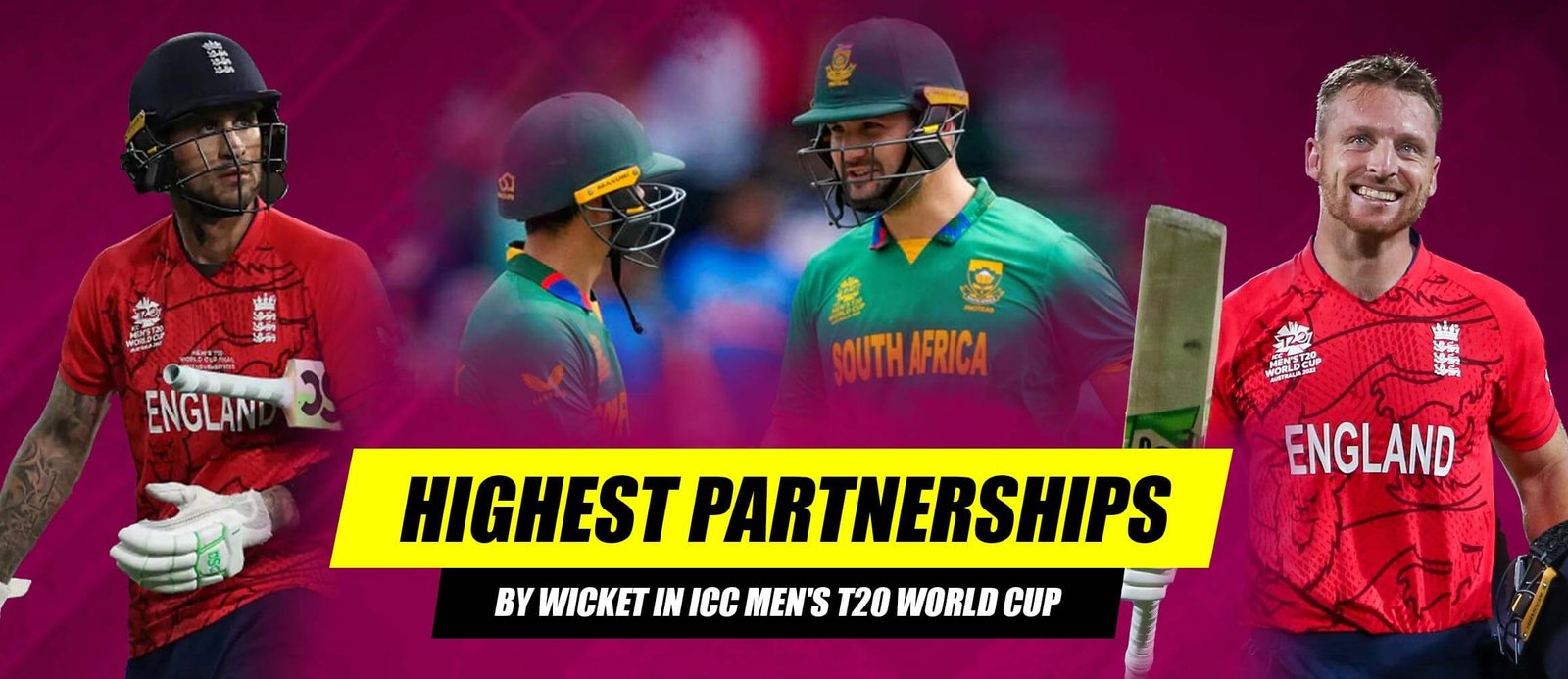
Highest partnerships by wicket in ICC Men’s T20 World Cup
• 18 Apr, 24 • by Buddy ExchangeThe ICC Men's T20 World Cup has witnessed some explosive batting partnerships over the years. But which pairs have stacked up the most runs together for each wicket? Let's take a look at the top partnerships by wicket in T20 World Cup history. The top spot goes to England's opening duo of Jos Buttler and Alex Hales. In the 2022 T20 World Cup semi-final against India,