

Rise of Indian Women’s Cricket: A Decade of Growth
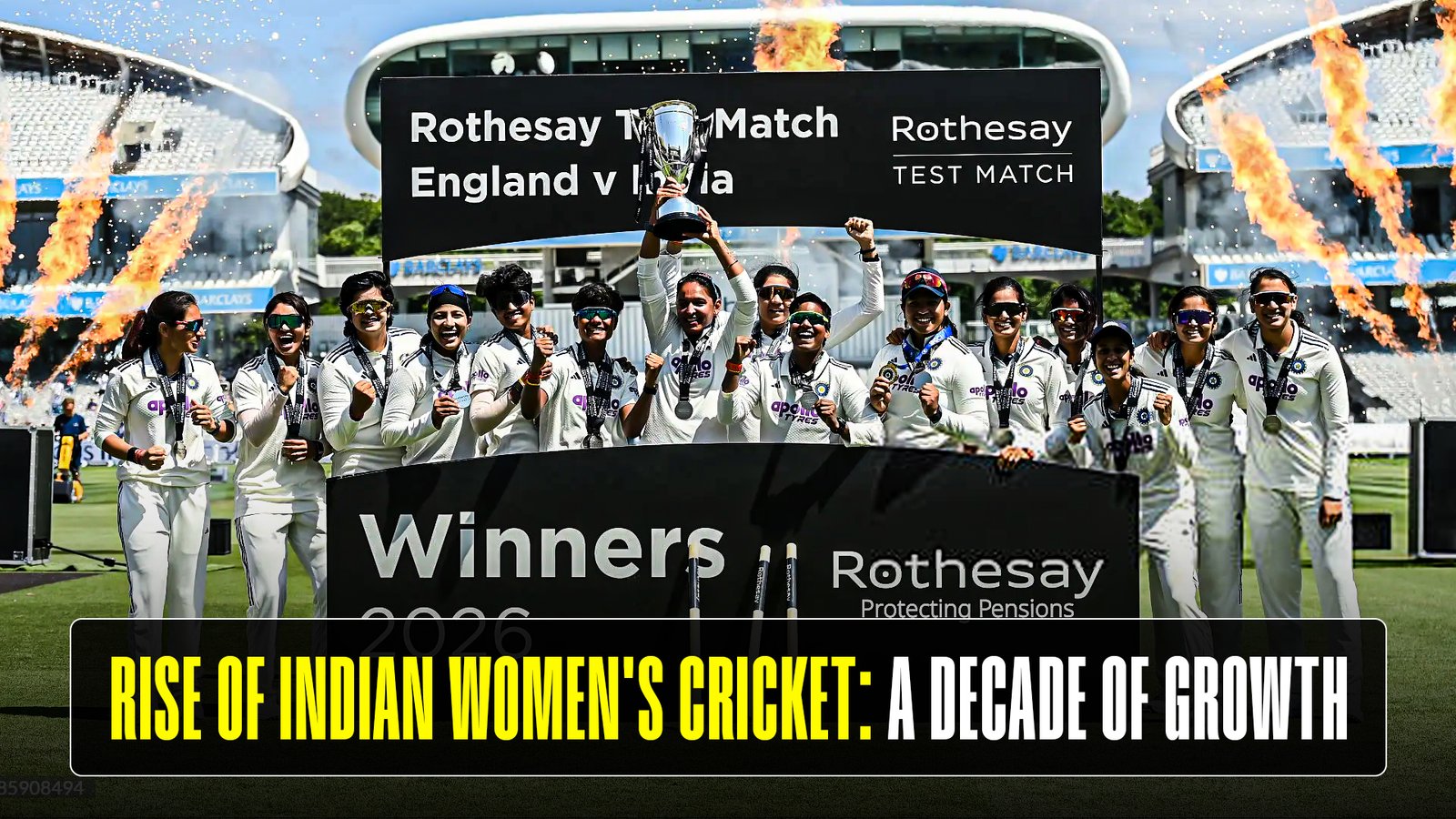
On the night of November 2, 2025, a sell-out crowd at the DY Patil Stadium in Navi Mumbai watched Indian women’s cricket cross a threshold it had chased for four decades. India beat South Africa by 52 runs to lift their first-ever ODI World Cup, and in that single moment, years of quiet, grinding progress finally exploded into the mainstream.
But that trophy did not appear from nowhere. It was the summit of a remarkable ten-year climb that turned a once-overlooked sport into one of the most exciting stories in Indian cricket. This is how Indian women’s cricket rose over a defining decade.
The Turning Point: 2017 and the Spark That Lit the Fire
Every movement needs a moment that changes everything. For Indian women’s cricket, that moment arrived at Lord’s in 2017.
India reached the final of the 2017 ODI World Cup and, though they fell agonisingly short against England by just nine runs, the tournament changed public perception forever. Harmanpreet Kaur’s unbeaten 171 in the semi-final against Australia became an overnight sensation, and millions of Indians watched women’s cricket seriously for the first time.
The defeat hurt, but it planted a seed. Suddenly, players like Mithali Raj, Jhulan Goswami and a young Smriti Mandhana were household names. Sponsors took notice, broadcasters committed airtime, and a generation of young girls saw a future that had never felt possible before.
Building the Foundation: Structural Growth Through the Decade
Passion alone does not sustain a sport. What followed 2017 was a decade of deliberate structural investment that turned promise into permanence.
Pay Parity and Central Contracts
In a landmark move in 2022, the BCCI announced pay equity in match fees, ensuring India’s women earned the same as their male counterparts per international appearance. It was one of the most progressive decisions in world cricket and sent a powerful signal about intent.
A Genuine Domestic Pathway
The domestic system expanded steadily, with more age-group tournaments, senior one-day and T20 competitions, and India A tours giving selectors a deeper talent pool than ever before. Young players finally had a structured ladder to climb rather than relying on rare opportunities.
The Game-Changer: The Women’s Premier League
If 2017 lit the spark, the Women’s Premier League poured fuel on the fire.
Launched in 2023, the WPL became the world’s second-richest women’s sporting league almost overnight. The five franchises were sold for over 4,500 crore rupees, and the tournament gave Indian players something they had never had: regular high-pressure cricket alongside the best internationals in the world, in front of packed stadiums and prime-time television audiences.
The impact was immediate and measurable. Uncapped domestic players earned life-changing contracts, teenagers rubbed shoulders with global icons, and India’s bench strength deepened dramatically. Players who might once have gone unnoticed now had a stage, and the national selectors reaped the rewards.
Crucially, the WPL normalised the idea that women’s cricket could be a serious commercial product. With big brands, sold-out venues, and increased fan engagement across global sports markets—from digital platforms to live odds on a modern sport betting exchange—the commercial ecosystem surrounding the women’s game grew to unprecedented heights.
A New Generation of Superstars
The decade also produced a roster of stars who carried the game to new heights. For enthusiasts following the sport’s rapid growth and exploring trusted digital platforms, informative resources such as this online betting ID provider guide offer insights into how online sports entertainment has expanded alongside cricket’s rising popularity.
From Trailblazers to Modern Icons
The transition was seamless. As pioneers like Mithali Raj and Jhulan Goswami retired after record-breaking careers, a new wave stepped up without missing a beat. Smriti Mandhana evolved into one of the most watchable batters in world cricket and rose to become the world’s number one ranked ODI batter. Harmanpreet Kaur matured from the explosive match-winner of 2017 into a composed World Cup-winning captain. Around them, a fearless younger group emerged, led by the destructive opener Shafali Verma and the all-round brilliance of Deepti Sharma.
Home Series as Showcases
This blend of experience and youth is what set the modern era apart. Regular home series became must-watch events, drawing genuine crowds and prime-time coverage that felt a world away from the sparse attendances of a decade earlier. Every marquee series now doubled as both a contest and a showcase for the sport’s growing appeal.
The results followed. India’s rise in the ICC rankings, deep runs in global tournaments, and a growing habit of beating the traditional powers of Australia and England reflected a team that had closed the gap at the very top.
The Summit: 2025 World Cup Glory
Everything the decade built came together in the 2025 ODI World Cup on home soil.
India stormed through the tournament, including a record-breaking chase against Australia in the semi-final that showed just how far the team’s belief had grown. The momentum had been building through consistent home assignments leading up to it, including high-profile series against powerhouse nations like Australia and England, which repeatedly tested and sharpened the squad against elite opposition in front of home crowds. In the final, Shafali Verma top-scored with a career-best 87, and Deepti Sharma sealed her Player of the Tournament campaign with a stunning five-wicket haul to bowl South Africa out.
The 52-run victory made India the first women’s team from Asia to win a global ODI World Cup, ending near-misses in 2005 and 2017. The image of Harmanpreet Kaur lifting the trophy became an instant classic: the perfect full stop to a decade of relentless growth, and the perfect starting point for the next chapter.
Conclusion
The rise of Indian women’s cricket over the past decade is a story of vision meeting talent at exactly the right time. From the heartbreak of 2017 to pay parity, from the launch of the Women’s Premier League to World Cup glory in 2025, each step built logically on the last. What was once a marginal sport is now a mainstream force with genuine commercial power, packed stadiums and a production line of young stars. The trophy in Navi Mumbai was not an ending but a beginning, and if the last ten years are any guide, the best may still be ahead.
Frequently Asked Questions (FAQs)
- When did India win their first Women’s Cricket World Cup? India won their maiden ODI World Cup on November 2, 2025, beating South Africa by 52 runs in the final at the DY Patil Stadium in Navi Mumbai.
- Why was the 2017 World Cup so important for Indian women’s cricket? India’s run to the 2017 final, powered by Harmanpreet Kaur’s unbeaten 171 in the semi-final, dramatically raised the sport’s profile and brought unprecedented public and commercial attention.
- What is the Women’s Premier League (WPL)? Launched in 2023, the WPL is India’s franchise T20 league for women. It quickly became one of the richest women’s sporting leagues globally and greatly deepened India’s talent pool.
- Did the BCCI introduce equal pay for women cricketers? Yes. In 2022, the BCCI announced pay parity in match fees, ensuring India’s women receive the same match fees as the men’s team per international appearance.
- Who are the biggest stars of Indian women’s cricket today? Key figures include captain Harmanpreet Kaur, world-class batter Smriti Mandhana, explosive opener Shafali Verma, and all-rounder Deepti Sharma, the 2025 World Cup Player of the Tournament.
- Who was named Player of the Tournament at the 2025 World Cup? Deepti Sharma won Player of the Tournament for her all-round performances, finishing as a leading wicket-taker and contributing crucial runs, including a five-wicket haul in the final.
-
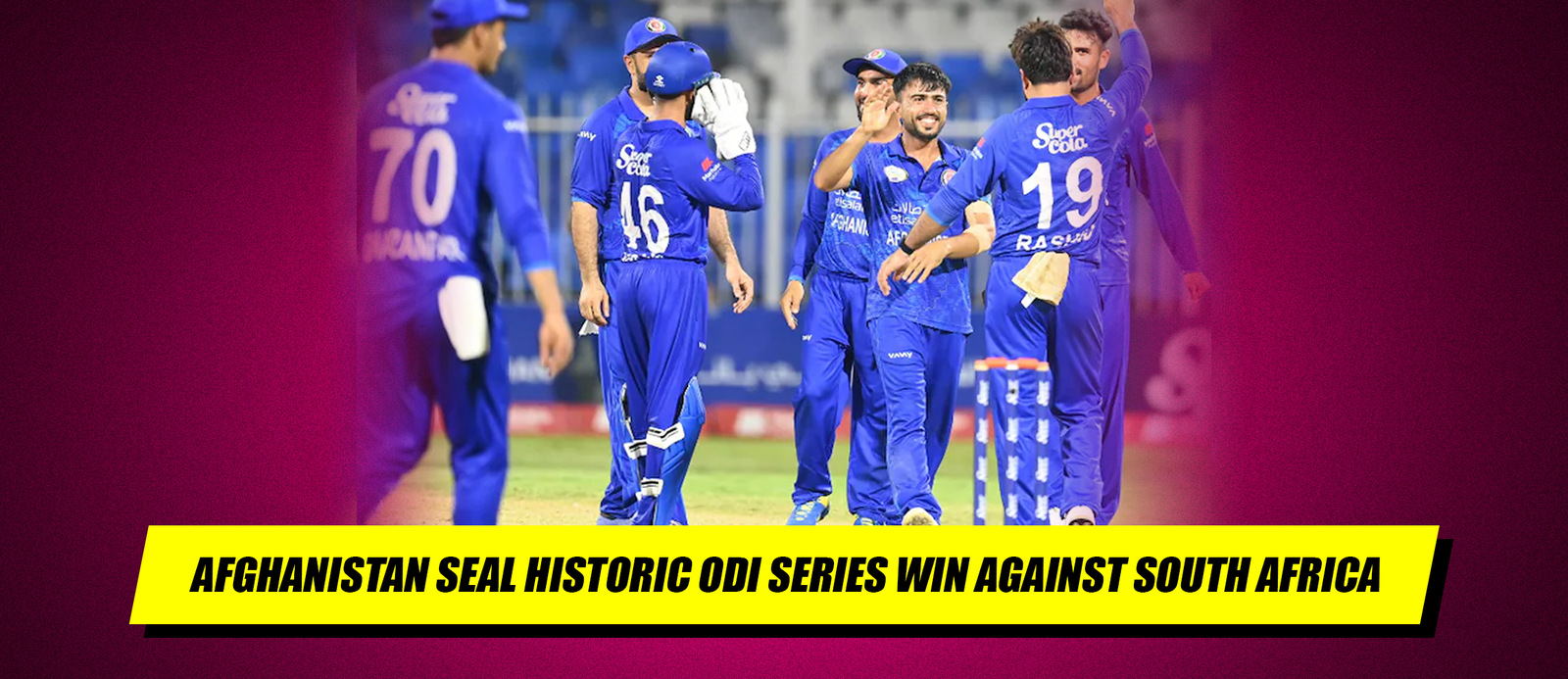
Afghanistan Seals Historic ODI Series Win Over South Africa
• 23 Sep, 24 • by Buddy ExchangeIn a historic moment for Afghanistan cricket, the national team clinched their first-ever ODI series victory against South Africa with a resounding 177-run win
-
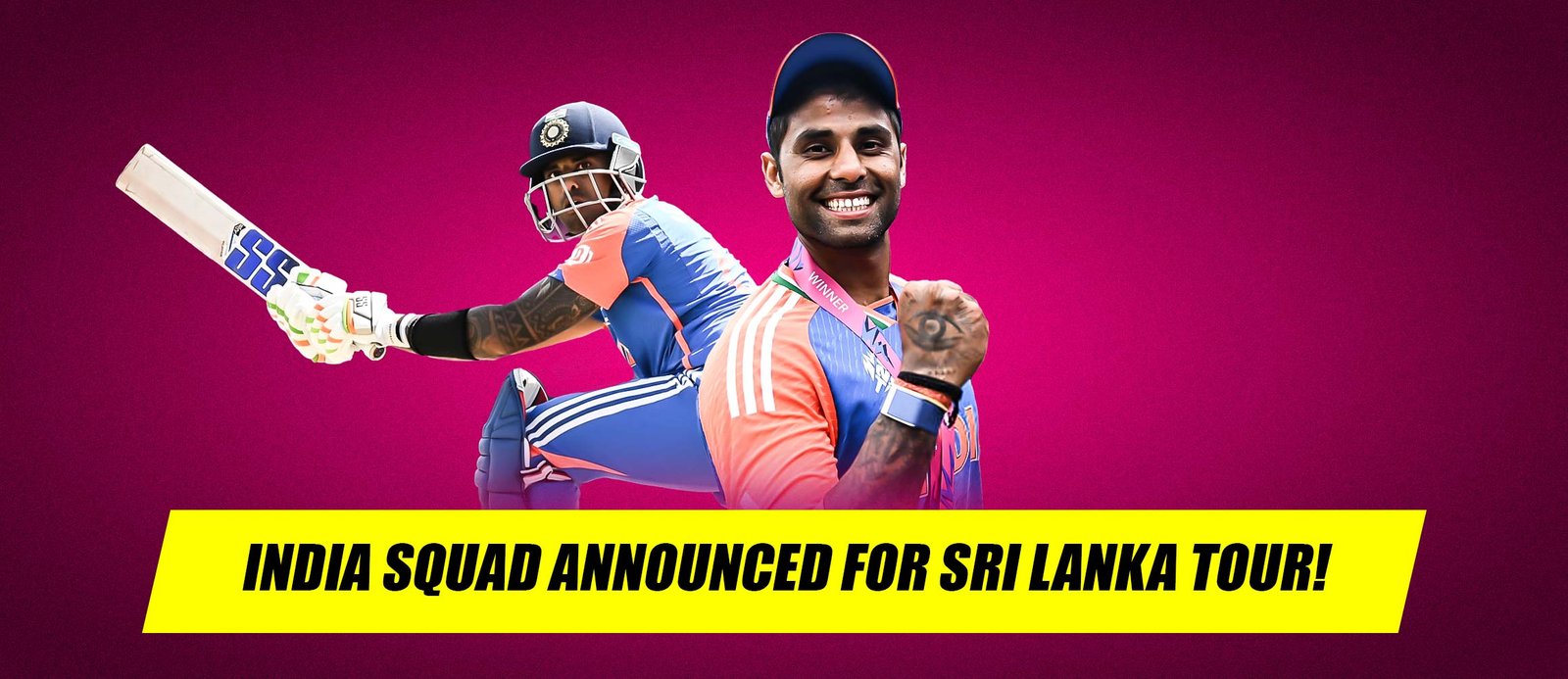
India squad Announced for Sri Lanka Tour!
• 22 Jul, 24 • by Buddy ExchangeGet ready for some cricket action! India's squad for their upcoming tour of Sri Lanka has been picked, and there are some exciting things to see! Suryakumar Yadav,
-
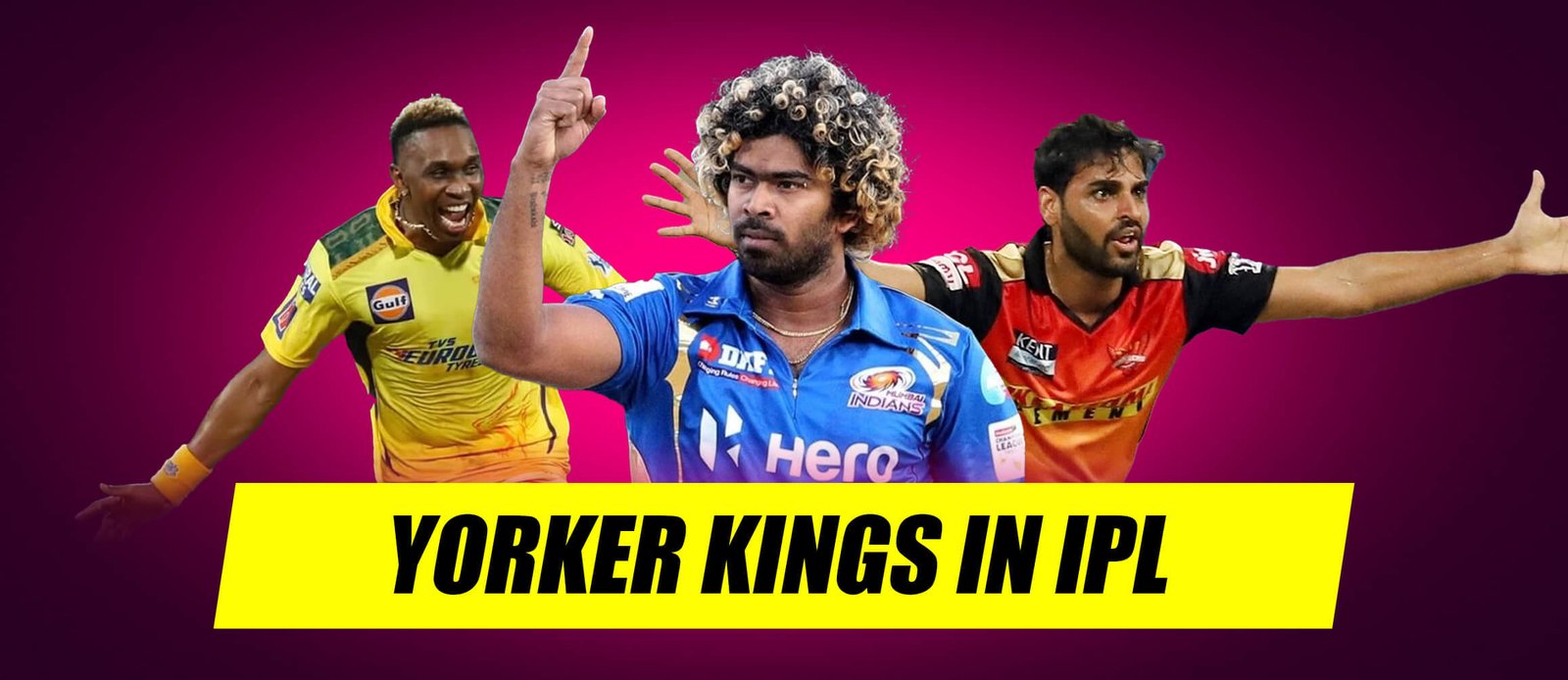
Yorker Kings in IPL
• 25 Mar, 24 • by Buddy ExchangeThe IPL is back! While big hits dominate the game, some bowlers have a special skill - Yorkers. These perfectly aimed balls land right on the stumps, making them very hard to score off for the batters. Here are a few yorker experts who have troubled batsmen for years. Malinga is a legend when it comes to Yorkers. Called the ‘King of Yorkers’, he has helped Mumbai Indians win many matches with his pinpoint accuracy.