

Legendary All-Rounders in Cricket History: A Ranked List

In cricket, the batter wins you admirers and the bowler wins you matches. But the all-rounder wins you everything. These are the players who can rescue a collapse with the bat, break a partnership with the ball, then hold a blinding catch at slip for good measure. They are cricket’s most valuable currency, and its rarest.
Ranking them is a joyful argument that never ends. Do raw numbers win, or match-winning flair? We have weighed both, blending statistical weight with impact and legacy, to produce a ranked list of the legendary all-rounders who defined the sport.
What Makes a True All-Rounder?
A genuine all-rounder must be capable of winning a Test match with either discipline alone. The broad statistical threshold is a batting average above 30 and a bowling average below 35, but the truly great ones blow past those markers. Crucially, we mean players who bat in the top seven and bowl as a frontline option, not “a bowler who bats” or vice versa. That distinction is why some brilliant names are considered specialists rather than all-rounders.
The Ranked List: Cricket’s Greatest All-Rounders
5. Kapil Dev and Ian Botham: The Charismatic Match-Winners
We begin with two icons of the golden 1980s, impossible to separate. Kapil Dev remains India’s greatest fast-bowling all-rounder, taking 434 Test wickets and scoring over 5,000 runs while never missing a Test through injury in a 16-year career, and captaining India to their era-defining 1983 World Cup triumph. Ian Botham was English cricket’s great entertainer, a swashbuckler whose 1981 Ashes heroics became legend. Both could turn a match on its head in a single session, and both carry over 5,000 runs and 350-plus wickets.
4. Ben Stokes: The Modern Clutch Master
The only active player on this list has earned his place with a flair for the impossible. Ben Stokes is cricket’s ultimate big-moment player, delivering England’s 2019 World Cup final, the miracle Headingley Test, and the 2022 T20 World Cup title. He has now passed 7,000 Test runs and 250 wickets, one of only four men to reach 5,000 and 250. What separates Stokes is not his raw averages but his uncanny ability to produce his best when the stakes are highest, a quality no statistic fully captures.
3. Imran Khan: The Inspirational Leader
Now we reach the true titans. Imran Khan took 362 Test wickets and scored nearly 3,800 runs, but the numbers barely tell the story. In his peak decade between 1982 and 1991, he averaged nearly 55 with the bat and conceded barely 20 runs per wicket with the ball, a stretch of dual dominance few have ever matched. He then led Pakistan to their only World Cup title in 1992 and inspired generations of fast bowlers. Influence, not just output, defines his greatness.
2. Jacques Kallis: The Statistical Colossus
If the game were decided purely by numbers, Kallis would sit alone at the summit. His figures are almost unfair: 13,289 Test runs at an average above 55, plus 292 wickets with genuine 90mph outswing and nearly 200 catches. Ricky Ponting called him the greatest cricketer who ever lived. No all-rounder has combined batting of that quality with a genuine frontline bowling threat for so long. If your definition of greatness is sustained, monumental production, Kallis is your number one.
1. Sir Garfield Sobers: The Complete Cricketer
At the very top stands the man against whom every all-rounder is still measured. Sir Garfield Sobers was, quite simply, cricket in one body. A batting genius who averaged nearly 58 across 93 Tests, he could bowl three different ways, left-arm pace, orthodox spin or wrist spin, and was a spectacular fielder. His unbeaten 365 stood as a Test record for decades, and his six sixes in an over became sporting folklore. Where Kallis wins on numbers, Sobers wins on completeness and sheer watchability. Don Bradman himself considered him the finest all-round cricketer he ever saw, and that verdict still holds.
The Ones Who Just Missed Out
Any list this short leaves out greats. Sir Richard Hadlee and Shaun Pollock were arguably too good with the ball to qualify as balanced all-rounders, classing themselves as bowlers who batted usefully. Keith Miller was a statistical near-clone of Sobers with matinee-idol charisma, while Shakib Al Hasan carried Bangladesh for two decades as simultaneously their best batter and bowler. In the modern game, India’s Ravindra Jadeja and Ravichandran Ashwin have built extraordinary all-round records of their own.
It is worth remembering, too, that this conversation has traditionally centred on the men’s game, though that is changing fast. The surge captured in the rise of Indian women’s cricket over the past decade has produced a new generation of genuine all-rounders, with players like Deepti Sharma proving match-winners with both bat and ball on the biggest stages. The next definitive all-rounder list may look very different from this one.
How Eras Shape the Debate
One reason this argument never ends is that comparing across generations is genuinely difficult. Sobers and Miller played fewer Tests in an age of uncovered pitches and no helmets, while Kallis and Stokes have benefited from modern bats, fitness science and packed calendars that allow huge career totals. A player like Imran was often his team’s only world-class performer, carrying a heavier burden than an all-rounder surrounded by stars. This is why raw statistics alone can mislead, and why impact, conditions, and leadership must sit alongside the numbers—factors that modern analysts and users on a sport betting exchange also closely evaluate when pricing live player performance and match-impact odds across different eras and formats.
Conclusion
The legendary all-rounders in cricket history represent the game at its most complete and thrilling. Our ranking places Sir Garfield Sobers at the peak for his unmatched completeness, with Jacques Kallis a fraction behind on staggering numbers, and Imran Khan, Ben Stokes, Kapil Dev and Ian Botham completing an all-time roll of honour. Yet the beauty of this debate is that there is no final answer. Whether you value flair, statistics or leadership, each of these giants has a claim, and new names are already writing their own chapters. That endless argument is exactly what makes the all-rounder cricket’s most captivating figure.
Frequently Asked Questions (FAQs)
1. Who is considered the greatest all-rounder in cricket history? Sir Garfield Sobers is most often ranked as the greatest, praised for his batting genius, three bowling styles and brilliant fielding. Don Bradman regarded him as the finest all-round cricketer he ever saw.
2. Is Jacques Kallis the best all-rounder statistically? Yes. Kallis holds the strongest raw numbers of any all-rounder, with 13,289 Test runs at over 55 and 292 wickets, which is why many argue he is the greatest by pure statistics.
3. Who is the best current all-rounder in the world? Ben Stokes is widely regarded as the finest active all-rounder, known for match-winning displays in the 2019 World Cup final, the 2019 Headingley Test and the 2022 T20 World Cup.
4. Why is Imran Khan ranked so highly among all-rounders? Beyond his 362 wickets and nearly 3,800 runs, Imran combined a peak decade of dual dominance with inspirational leadership, guiding Pakistan to their only World Cup title in 1992.
5. Who are India’s greatest all-rounders? Kapil Dev leads, with 434 Test wickets and a 1983 World Cup triumph as captain. In the modern era, Ravindra Jadeja and Ravichandran Ashwin also rank among the best.
6. What is the difference between an all-rounder and a specialist? A genuine all-rounder can win matches with either bat or ball and typically bats in the top seven while bowling as a frontline option. Specialists who only bat or bowl usefully do not qualify.
-
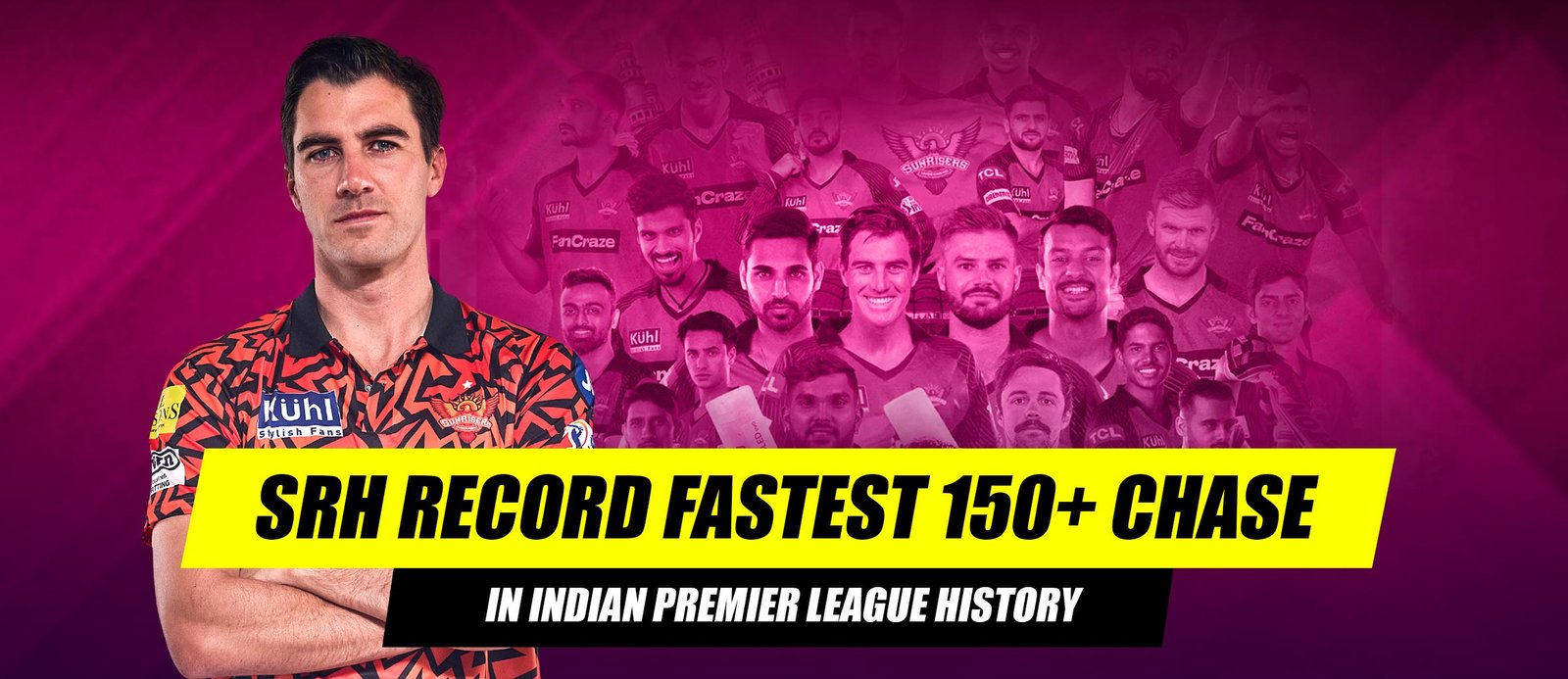
SRH Record Fastest 150+ Chase in IPL History
• 10 May, 24 • by Buddy ExchangeThe Sunrisers Hyderabad (SRH) team has etched their name in cricket history with a truly remarkable feat in the 2024 IPL. They chased down a target of 166 runs set by the Lucknow Super Giants (LSG) in an unbelievably quick time – just 9.4 overs!
-
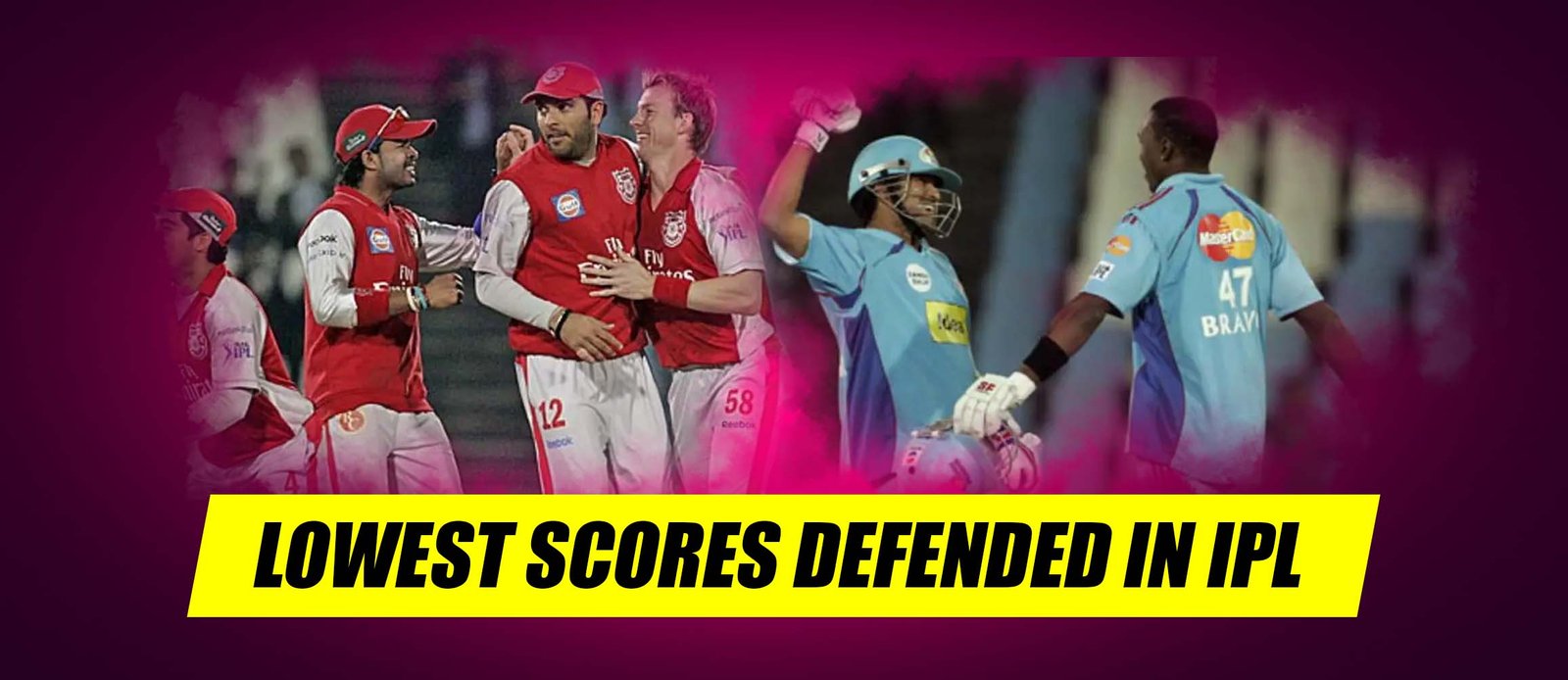
Lowest Scores Ever Defended in IPL History
• 26 Mar, 24 • by Buddy ExchangeThe high-scoring nature of T20 cricket often steals the show in the IPL. But there's something equally exciting about a well-defended low score. This article explores the top 3 instances in IPL history where teams successfully defended incredibly low totals, showcasing the power of exceptional bowling. Believe it or not, Chennai Super Kings hold the record for the lowest defended total!
-
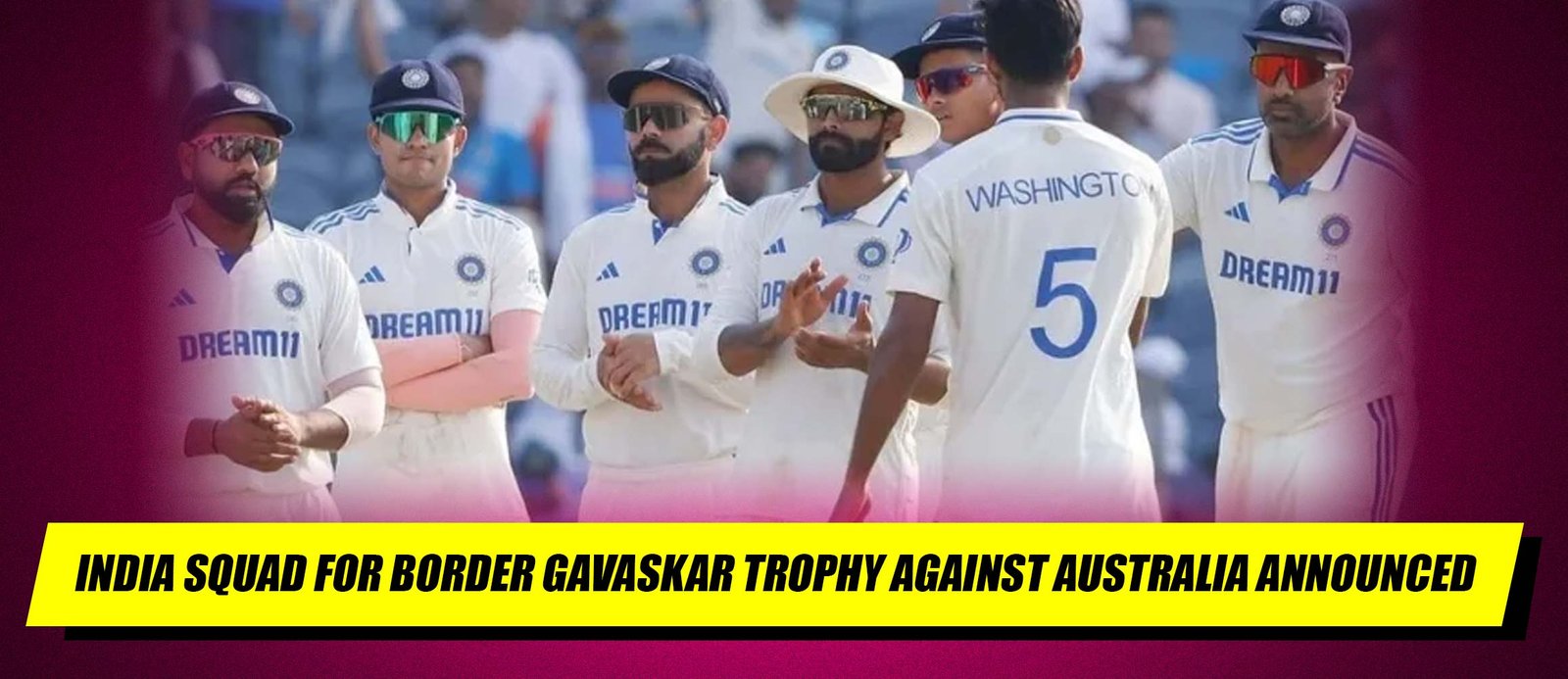
India Squad for Border Gavaskar Trophy Against Australia Announced
• 29 Oct, 24 • by Buddy ExchangeThe Board of Control for Cricket in India (BCCI) has unveiled the much-awaited Indian Test squad for the high-stakes BGT against Australia.