

Mohit Sharma Becomes Most Expensive Bowler in IPL History

Veteran bowler Mohit Sharma had a night to forget in the Indian Premier League (IPL) match between his team, Gujarat Titans (GT), and the Delhi Capitals (DC). While known for his experience, Mohit leaked runs at an alarming rate, etching his name in the IPL record books for the most expensive bowling spell in the league’s history.
Things started poorly for Mohit, who already had 42 runs conceded after three overs. But the worst was yet to come. Delhi Capitals captain Rishabh Pant absolutely smashed Mohit in the final over, scoring a whopping 31 runs off him. This included four massive sixes and just one single four.
With this onslaught, Mohit surpassed the previous record of 70 runs conceded by Basil Thampi of Sunrisers Hyderabad in 2018. It’s a harsh reminder of how quickly things can turn around in the fast-paced world of T20 cricket.
Pant’s incredible hitting, along with a crucial partnership with Axar Patel, powered DC to a massive total of 224 runs. Pant ended up scoring an unbeaten 88 runs in just 43 balls, with 5 boundaries and a jaw-dropping 8 sixes. Axar Patel wasn’t far behind, scoring a quickfire 66 runs off 43 balls.
While Mohit’s bowling might not be something to celebrate, it highlights the intense competition and pressure bowlers face in the IPL, the biggest T20 league in the world. Even the most experienced players can have off days, and when they do, batsmen like Pant can make them pay dearly.
-
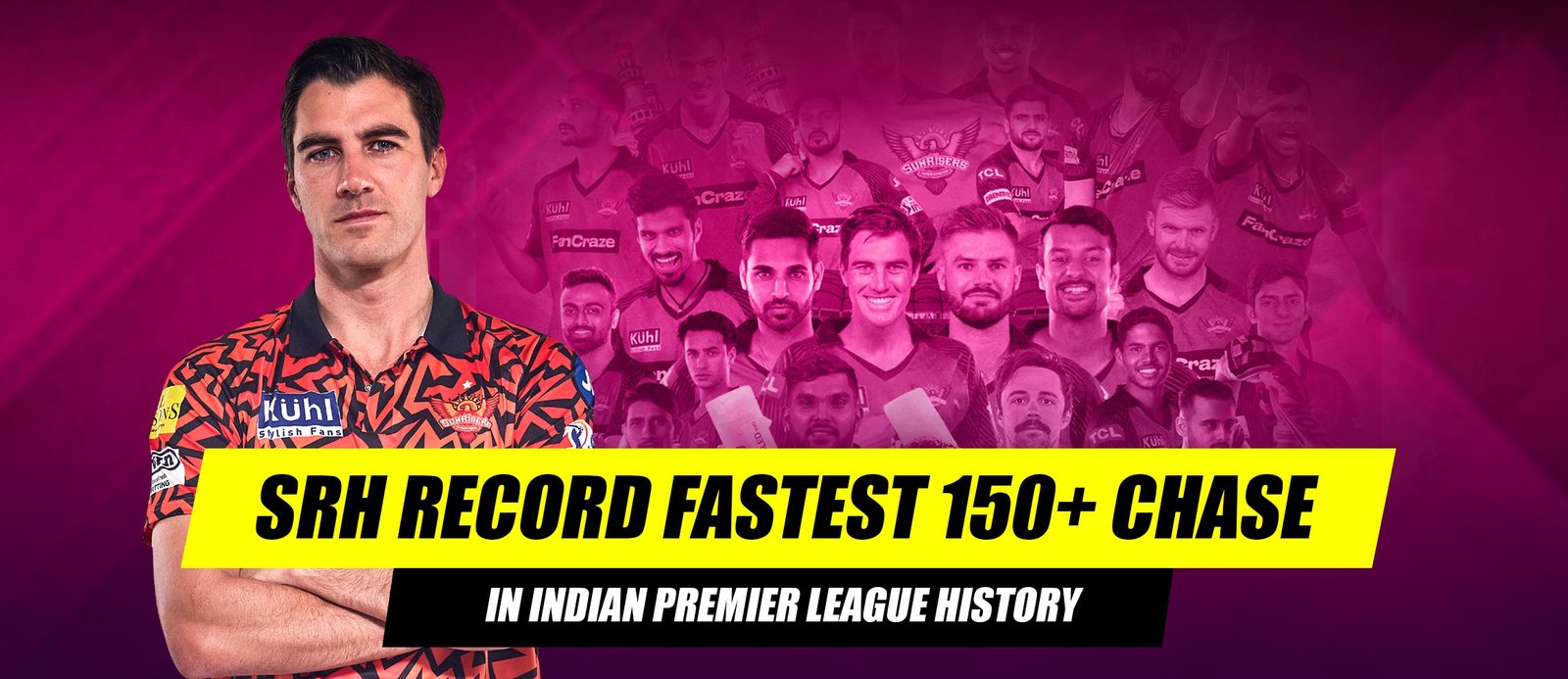
SRH Record Fastest 150+ Chase in IPL History
• 10 May, 24 • by Buddy ExchangeThe Sunrisers Hyderabad (SRH) team has etched their name in cricket history with a truly remarkable feat in the 2024 IPL. They chased down a target of 166 runs set by the Lucknow Super Giants (LSG) in an unbelievably quick time – just 9.4 overs!
-

Nathan Ellis has been ruled out of the IPL 2026 tournament.
• 21 Mar, 26 • by Buddy ExchangeThe excitement of Indian Premier League 2026 has taken a sudden hit with the unfortunate news that Nathan Ellis has been ruled out of the IPL 2026 tournament.
-

Shreyas Iyer Becomes Only the Fifth Indian Captain to Lift the IPL Trophy
• 28 May, 24 • by Buddy ExchangeShreyas Iyer’s captaincy and stellar performances have etched his name in IPL history. His leadership not only brought KKR their third title but also demonstrated his ability to inspire and lead a team to success